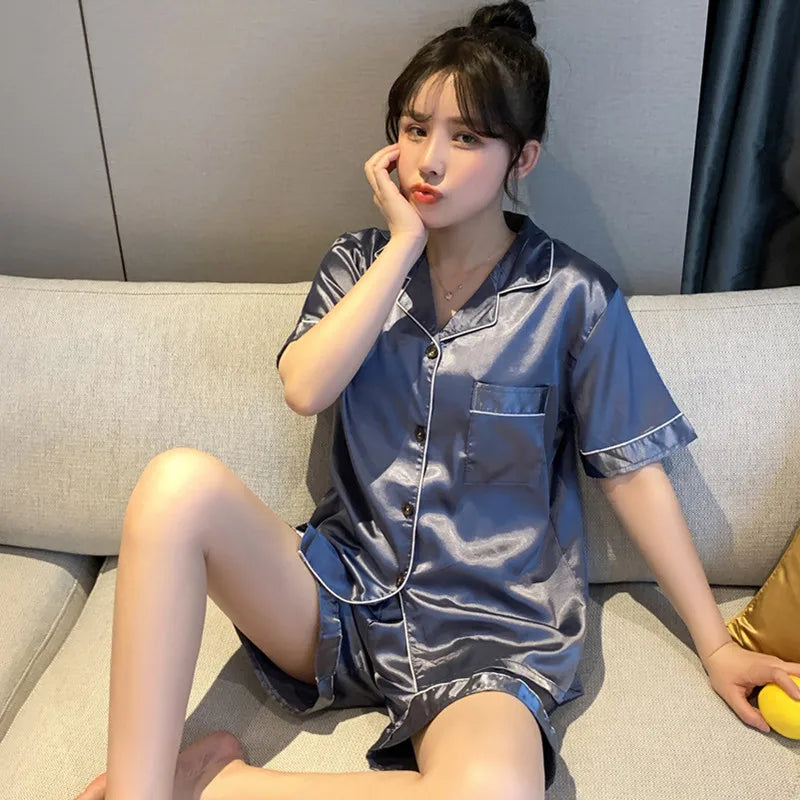


The Transition from Onesies: When to Stop Wearing Them for Your Little Ones
Table of Contents
- Introduction
- The Evolution of Baby Clothing
- Seasonal Considerations
- Personal Preferences and Individual Needs
- Conclusion
- Frequently Asked Questions
Introduction
As parents, we cherish every moment of our little ones’ growth, from their first steps to their first words. Among the many milestones they reach, the transition from onesies to more varied clothing is one that often goes unnoticed yet holds significant implications for both comfort and practicality. Did you know that most children typically stop wearing onesies between 12 to 24 months? This phase, while seemingly simple, marks a pivotal change in your child's wardrobe and lifestyle.
The purpose of this blog post is to explore the various factors that influence when to stop wearing onesies, offering insights and guidance that can help parents make informed decisions. We will delve into development milestones, potty training considerations, seasonal changes, and personal preferences, breaking down why this transition is more than just a change of clothing.
By the end of this post, we will have a clearer understanding of when it’s appropriate to phase out onesies and what alternatives can provide comfort and ease as your child grows. Together, we’ll explore not just the 'when,' but also the 'why' behind this significant wardrobe shift, ensuring that we celebrate the journey of our little ones while keeping their comfort and style in mind.
The Evolution of Baby Clothing
Historically, onesies have been a staple in baby wardrobes for good reason. They originated from practical needs—providing comfort, ease of dressing, and convenience for diaper changes. The design has evolved over the years, with modern onesies incorporating features like snap closures and breathable fabrics, ensuring a snug yet comfortable fit for active babies.
As your child moves past the early years, their clothing needs change significantly. The transition from onesies to more versatile outfits reflects not just a change in size but also a shift in lifestyle and independence. This evolution is crucial as it aligns with your child’s developmental milestones.
Understanding the Developmental Milestones
- Physical Development: As babies grow, they begin to crawl, stand, and walk. These new physical skills often lead parents to reassess the practicality of onesies. A child who is mobile may find it easier to navigate their environment in separate tops and bottoms rather than a one-piece suit.
- Self-Expression and Independence: Children begin to develop their own preferences for clothing around 18 months. They may start to express themselves through colors and styles, which can be more varied with two-piece outfits. Encouraging this self-expression can empower your child and foster their sense of independence.
- Potty Training: One of the most significant factors in deciding when to stop using onesies is the start of potty training. As toddlers begin to learn this new skill, easy-to-remove clothing becomes paramount. Onesies, while convenient for diaper changes, can become cumbersome and frustrating when it’s time to use the toilet independently.
Practical Tips for Transitioning Away from Onesies
Transitioning from onesies doesn’t have to be a daunting task. Here are some practical tips to ensure a smooth shift:
- Timing is Key: Generally, parents start to consider phasing out onesies between 12 and 24 months. Look for signs of readiness in your child, such as a growing interest in dressing themselves or expressing discomfort with their clothing.
- Gradual Changes: Instead of an immediate switch, consider incorporating two-piece outfits gradually. This can help your child adjust to the change without overwhelming them.
- Comfort and Fit: As you explore alternatives, prioritize comfort. Look for clothing made from soft, breathable fabrics that allow your child to move freely. Our collection of nightwear at Relaxed Nights offers a range of comfortable options perfect for toddlers transitioning away from onesies.
- Embrace Versatility: Two-piece outfits can offer versatility for different occasions. Consider mixing and matching tops and bottoms to encourage creativity and personal style in your child’s wardrobe.
Seasonal Considerations
The changing seasons can also impact when to stop wearing onesies. During colder months, onesies can provide an extra layer of warmth, making them a popular choice for sleepwear. However, as temperatures rise, lighter fabrics and more breathable styles become essential.
Cold Weather Comfort
During winter, many parents prefer onesies for their little ones due to their snug fit and warmth. For bedtime, consider transitioning to cozy nightgowns or pajama sets that maintain warmth while allowing for ease of movement. Our Nightgowns Collection at Relaxed Nights offers a delightful selection of soft, breathable nightgowns that can keep your child cozy without sacrificing comfort.
Warm Weather Alternatives
As spring and summer approach, the need for breathable clothing becomes crucial. Switching to lightweight, separate outfits can help your child stay cool and comfortable during warmer months. Opt for t-shirts and shorts or lightweight dresses that allow for better airflow. This change not only enhances comfort but also makes dressing easier for active toddlers.
Personal Preferences and Individual Needs
Ultimately, the decision to stop using onesies is a personal choice that varies widely among families. Some parents may choose to keep their children in onesies longer due to their convenience and comfort. Others may embrace the opportunity to explore a wider range of clothing styles as their child grows.
Factors to Consider
- Child's Comfort: Pay attention to your child's comfort levels. If they seem uncomfortable or restricted in a onesie, it may be time to consider alternatives.
- Ease of Dressing: Consider how easy or difficult it is to dress your child in a onesie versus a two-piece outfit. As toddlers become more active, quick and easy dressing can make a significant difference during busy mornings.
- Social Context: If your child attends daycare or playgroups, consider the practicality of clothing options. Two-piece outfits may be easier for caregivers to manage when checking for diaper changes or assisting with potty training.
Conclusion
The transition from onesies to more varied clothing is a significant milestone in your child's development. It marks not only a shift in wardrobe but also a growth in independence, self-expression, and practicality. By understanding the developmental milestones, seasonal considerations, and personal preferences that influence this decision, parents can better navigate this transition.
As your little one grows, embracing their changing needs and preferences can lead to a more enjoyable dressing experience for both you and your child. Remember, there’s no one-size-fits-all answer to when to stop wearing onesies. Trust your instincts, pay attention to your child’s cues, and explore the many comfortable and stylish alternatives available.
Together, we can celebrate these milestones while ensuring that our children feel comfortable and confident in their clothing choices. And as always, at Relaxed Nights, we’re here to support you with our curated collection of premium nightwear designed for elegance and comfort, no matter the stage of your child's journey.
Frequently Asked Questions
When should I start transitioning my child out of onesies?
Most children begin transitioning away from onesies between 12 to 24 months, but it ultimately depends on your child's development and readiness.
How can I make the transition smoother for my child?
Incorporate two-piece outfits gradually, prioritize comfort, and encourage your child's self-expression by letting them choose their clothing.
Are there specific signs that indicate it’s time to stop using onesies?
Look for signs such as discomfort in onesies, a desire for independence in dressing, or the beginning of potty training.
What are some good alternatives to onesies for toddlers?
Consider lightweight t-shirts, shorts, or dresses for warmer weather, and opt for cozy nightgowns or pajama sets for bedtime comfort.
How can I ensure my child’s comfort during this transition?
Choose clothing made from soft, breathable fabrics that allow for ease of movement and fit well. Our collection at Relaxed Nights offers a range of comfortable options perfect for your child.
By acknowledging these pivotal moments, we empower our children to embrace their individuality while ensuring their comfort and style at every step of their journey.